Understanding Google Mixboard: The Future of Collaborative Creativity
The creative landscape is evolving rapidly with the introduction of tools that enhance collaboration and streamline the ideation process. Among these emerging tools is google mixboard, an AI-powered concept board designed to turn abstract thoughts into visual representations. This platform not only serves as a brainstorming space but also as a powerful canvas where creativity can thrive in a structured yet flexible environment.
What is Google Mixboard?
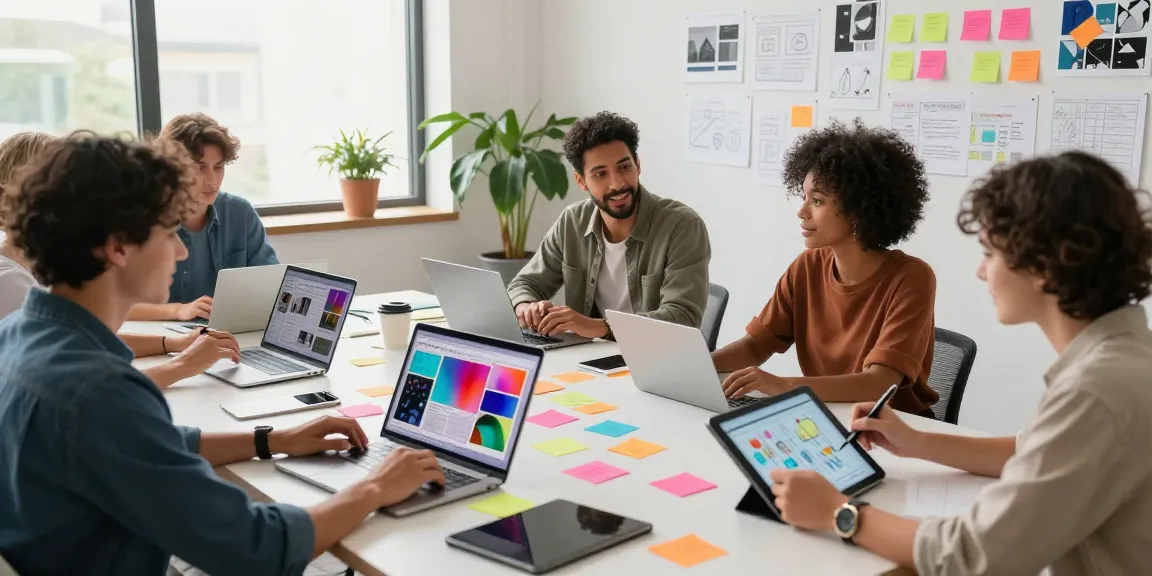
Google Mixboard is a cutting-edge platform developed by Google Labs, leveraging artificial intelligence to facilitate collaborative creativity. As a digital brainstorming tool, Mixboard enables users to create visual concept boards where they can mix text, images, and AI-generated content to explore ideas deeply. It’s an ideal environment for teams looking to enhance their creative processes, whether it’s for product development, marketing campaigns, or educational projects.
Key Features of Google Mixboard
- AI Integration: Mixboard uses AI to suggest visual elements and arrangements, making it easier to generate compelling presentations and creative outputs.
- Infinite Canvas: The platform features an infinitely scrollable workspace, allowing users to expand their ideas without physical limitations.
- Real-Time Collaboration: Teams can work simultaneously on projects, regardless of their geographical locations, making it ideal for remote work environments.
- Template Library: Users can access a wide range of templates specifically designed for different creative scenarios, from marketing plans to educational frameworks.
How Google Mixboard Enhances Team Collaboration
In today’s globalized working environment, effective collaboration among team members is crucial. Google Mixboard fosters this collaboration through its user-friendly interface and real-time updates. Teams can brainstorm together, add comments, and iterate on ideas as they evolve, all in one place. This eliminates the confusion often associated with email chains or fragmented communication across platforms.
Getting Started with Google Mixboard
To harness the full potential of Google Mixboard, getting familiar with its features and interface is essential. This section outlines the initial steps and essential tips to kick off your creative projects.
Creating Your First Project
Starting your first project on Google Mixboard is straightforward. After signing in, users can create a new board by selecting a template or starting from scratch. The intuitive drag-and-drop interface makes it easy to add elements, rearrange components, and visualize ideas in a coherent manner.
Navigating the Google Mixboard Interface
The interface of Google Mixboard is designed for ease of use. Key functionalities are accessible via a top toolbar, while a side panel offers quick access to templates and AI suggestions. Users can quickly insert images, notes, and links to enhance their boards, ensuring all necessary resources are in one location.
Essential Tips for Effective Use
- Organize Ideas Early: Use color codes or labels to categorize thoughts and visuals for better clarity.
- Engage All Team Members: Encourage contributions from all participants to tap into diverse perspectives.
- Utilize AI Features: Experiment with AI-generated suggestions to discover new visual approaches and project insights.
Innovative Applications of Google Mixboard Across Industries
Google Mixboard’s versatility makes it suitable across various sectors, enhancing creativity and collaboration in different contexts. Here are some innovative applications tailored for specific industries.
Using Google Mixboard for Marketing Campaigns
Marketers can leverage Google Mixboard to plan and execute effective campaigns by visually aligning their strategies. By utilizing its infinite canvas, teams can juxtapose market research, creative concepts, and target audience profiles to create cohesive marketing narratives.
Enhancing Educational Experiences with Visual Tools
For educators, Google Mixboard serves as an interactive learning tool to visually represent complex ideas. Teachers can create mood boards that combine text, images, and videos to enhance lesson planning and student engagement.
Designing a Seamless User Experience in Product Development
In product development, having a clear visualization of user flows and design concepts is vital. Google Mixboard allows product teams to map out each step of the user journey visually, making it easier to identify potential pain points and refine user experience.
Best Practices for Maximizing Google Mixboard’s Potential
To fully benefit from Google Mixboard, implementing structured practices is essential. Here are some strategies to maximize its capabilities.
Real-Time Collaboration Strategies
Establishing clear roles and responsibilities while using Mixboard can enhance collaboration. Utilize the platform’s commenting feature to facilitate open discussions about ideas and ensure all voices are heard.
Integrating Google Mixboard into Workflow
Integrate Mixboard into your existing workflow by aligning its use with regular project meetings and brainstorming sessions. This ensures teams consistently utilize the platform as part of their creative processes.
Evaluating Project Success and Metrics
After completing projects on Google Mixboard, evaluate the effectiveness of your creative output by analyzing feedback and results. Look into user engagement data and measure the impact of visual strategies to refine future projects.
Future Trends in Collaborative Tools and AI Innovation
As we look ahead, the integration of AI in collaborative tools like Google Mixboard is expected to grow. This section explores the role of AI and predictions for the future of such platforms.
The Role of AI in Creative Collaboration
AI is becoming an indispensable ally in the creative landscape. Tools like Google Mixboard harness AI to provide data-driven insights, helping teams make more informed decisions during the brainstorming process.
Predictions for Google Mixboard’s Evolution
As technology continues to evolve, Google Mixboard will likely incorporate more advanced AI features, improving its capabilities for predictive analytics and automated suggestions. This shift will provide users with even more robust tools for creativity and innovation.
Preparing for the Future of Team Collaboration
To prepare for the future, teams should embrace flexible workflows and adaptive tools. Familiarizing themselves with platforms like Google Mixboard will ensure they are equipped to maintain productivity and creativity in an increasingly digital workspace.
What are the most common uses for Google Mixboard?
Typically, Google Mixboard is employed for brainstorming sessions, campaign planning, user experience design, and educational presentations, effectively serving multiple creative workflows.
How can I ensure my team is using Google Mixboard effectively?
To ensure effective use, establish guidelines for collaboration, encourage feedback during sessions, and regularly update project boards to reflect the current status of ideas.
Are there any cost considerations with Google Mixboard?
While Google Mixboard may offer free usage with limited features, organizations should consider premium options for enhanced functionalities that can better support extensive projects and teams.
What types of projects work best on Google Mixboard?
Projects that benefit significantly from visual collaboration, such as marketing strategies, educational content, and product ideation, thrive on Google Mixboard due to its visual-centric interface.
How does Google Mixboard compare to other collaboration tools?
Compared to other tools, Google Mixboard stands out for its AI integration and flexible canvas, making it particularly effective for teams needing dynamic and visual brainstorming solutions.