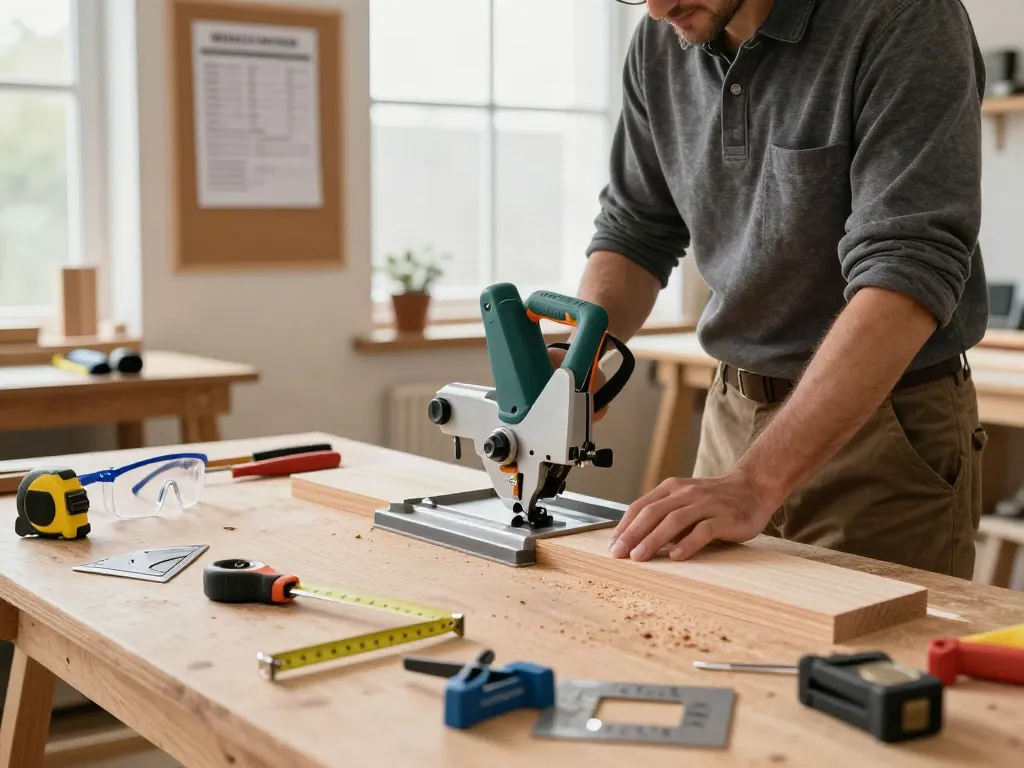
Understanding Manual Mitre Saws
Manual mitre saws have gained popularity among woodworkers and DIY enthusiasts for their precision and control. Unlike their electric counterparts, these hand-operated tools offer a unique experience that combines craftsmanship with the satisfaction of manual operation. As woodworking continues to evolve, the importance of mastering traditional techniques remains high. In this article, we will delve into the workings of manual mitre saws, their benefits, and how to effectively incorporate them into your woodworking projects.
What is a Manual Mitre Saw?
A manual mitre saw, often referred to as a hand mitre saw or a miter box saw, is a hand-operated tool designed to make accurate crosscuts and mitre cuts in wood. The saw is typically fitted into a stationary base that helps guide the wood at specific angles, allowing for precise, repeatable cuts. This tool is especially useful for tasks such as framing, picture framing, and other woodworking projects that require angled cuts.
How Does a Manual Mitre Saw Work?
The operation of a manual mitre saw involves placing a workpiece in the miter box, a tool that aids in achieving the desired angle. Users can adjust the saw to various angles—commonly 45 degrees, 90 degrees, and other angles depending on the design of the saw. The user then pulls the handle down to saw through the wood, guided by the miter box. This process allows woodworkers to achieve clean, precise cuts with minimal effort.
Benefits of Using a Manual Mitre Saw in Woodworking
- Precision Cuts: Manual mitre saws provide greater control, resulting in cleaner cuts than you might achieve with a power saw.
- Portability: Without the need for electrical power, these saws can be used anywhere, making them ideal for on-site projects.
- Cost-effective: Generally, manual mitre saws are more affordable than electric models, appealing to both novice and experienced woodworkers.
- Safe Operation: With fewer moving parts, manual mitre saws reduce the risk of injury compared to their powered counterparts.
Choosing the Right Manual Mitre Saw
When selecting a manual mitre saw, it’s essential to understand the various features that can enhance your woodworking experience. For instance, when exploring options, manual mitre saw choices can vary significantly based on design and functionality.
Key Features to Consider
- Angle Settings: Look for saws that offer a range of angle settings for versatility in your projects.
- Blade Quality: A high-quality blade ensures smoother cuts and longevity.
- Material Construction: Consider durability—metal bodies tend to be more robust than plastic ones.
- Size and Portability: Assess whether the size fits your workspace and is easy to transport if needed.
Top Manual Mitre Saw Brands in 2026
As of 2026, several brands have made a name for themselves in the manual mitre saw market:
- Nobex: Known for high precision and durable saws, Nobex has earned the trust of professional woodworkers.
- Stanley: A reliable choice, Stanley offers various models that balance quality and affordability.
- Hegner: Hegner is favored for their innovative designs aimed at enhanced usability.
- Veritas: They provide premium tools known for their exceptional craftsmanship and performance.
Price Ranges and Value for Money
The price of manual mitre saws can vary widely based on brand, features, and materials. Most budget models start around $30, while high-end professional saws can exceed $200. It’s crucial to assess your specific needs and budget to find the best value for your investment.
Techniques for Using a Manual Mitre Saw
Using a manual mitre saw effectively requires some technique and practice. Familiarity with your tool will not only enhance your skills but also ensure consistency and safety throughout your projects.
Setting Up Your Workspace for Safety and Efficiency
Begin by choosing a well-lit, spacious area to work, with a sturdy stable setup. Ensure that your manual mitre saw is placed securely on a flat surface, and have all your materials within reach. Safety goggles and gloves should be worn to protect from wood chips and splinters.
Essential Cutting Techniques with Manual Mitre Saws
- Secure the Workpiece: Always secure your workpiece in the miter box to prevent it from moving during the cut.
- Mark Your Angles Clearly: Use a square and a pencil to mark your cut lines, ensuring accuracy.
- Cut with Steady Pressure: Apply even pressure while cutting to maintain control and precision.
- Practice on Scraps: Before executing final cuts, practice on scrap wood to hone your technique.
Common Mistakes to Avoid
- Neglecting Safety: Always prioritize safety; it’s better to take extra precautions than to risk injury.
- Ignoring Blade Maintenance: A dull blade can lead to jagged cuts and increased effort. Regularly check and maintain your blade.
- Rushing the Process: Take your time with each cut. Rushing can lead to mistakes that might compromise your work.
Maintenance and Care for Your Manual Mitre Saw
Proper care and maintenance of your manual mitre saw will prolong its lifespan and ensure it operates smoothly. Here, we detail essential maintenance practices to keep your tool in top condition.
Routine Maintenance Tips
- Regular Cleaning: After each use, clean the blade and the base of the saw to remove dust and debris.
- Inspect for Damage: Regularly check for any signs of wear or damage to both the saw and the blade.
- Lubrication: If your saw has moving parts, apply lubricant periodically to keep it functioning smoothly.
How to Sharpen and Replace Blades
Keeping the blade sharp is crucial for making precise cuts. You can sharpen a dull blade using a fine file or take it to a professional for sharpening. When it comes to replacement, always refer to your tool's manual for guidance on compatible blades and replacement procedures.
Storage Solutions for Longevity
To prevent damage, store your manual mitre saw in a dry place. Consider using a protective case or hanging it on a wall to minimize the risk of accidental drops or exposure to moisture.
Trends in Woodworking with Manual Tools
The woodworking industry is continually evolving, with new trends emerging alongside traditional craftsmanship. Manual tools, including mitre saws, are finding their place in modern woodworking, influenced by sustainability and technological advancements.
Emerging Techniques and Innovations
Innovations in design and materials are making manual tools more effective. For example, some modern manual mitre saws are designed with ergonomics in mind, reducing strain during prolonged use. Additionally, enhancements like laser guides help improve accuracy and ease of use.
Environmental Considerations and Sustainable Practices
As the demand for sustainable woodworking increases, many woodworkers are choosing manual tools over powered ones to reduce energy consumption. Furthermore, the popularity of reclaimed wood has surged, and manual mitre saws are ideal for working with such materials due to the delicate handling required.
Future of Woodworking: Predictions for 2026 and Beyond
Looking ahead to 2026, we can expect an increase in the integration of traditional techniques with modern practices. As craftsmanship gains renewed appreciation, the manual mitre saw will continue to play a vital role for woodworkers who value precision, control, and the satisfaction of handwork.
What is the best manual mitre saw?
The best manual mitre saw depends on individual needs and project requirements. Factors like cutting capacity, tilt adjustments, and quality of materials should be considered when making a selection.
Can I use a manual mitre saw for all types of wood?
While manual mitre saws are versatile, they are best suited for softer woods and some hardwoods. Denser materials may require more effort or specialized blades.
How do I set the angle on a manual mitre saw?
Setting the angle on a manual mitre saw typically involves adjusting the saw head to the desired degree and securing it in place, following the markings provided on the miter box.
What safety precautions should I take when using a manual mitre saw?
Always wear safety goggles, keep your hands clear of the blade, and ensure your workspace is free from clutter.
Where can I find replacement parts for my manual mitre saw?
Replacement parts can often be found through the manufacturer's website, specialized tool retailers, or general hardware stores.. Additionally, Mister Worker provides further details.